
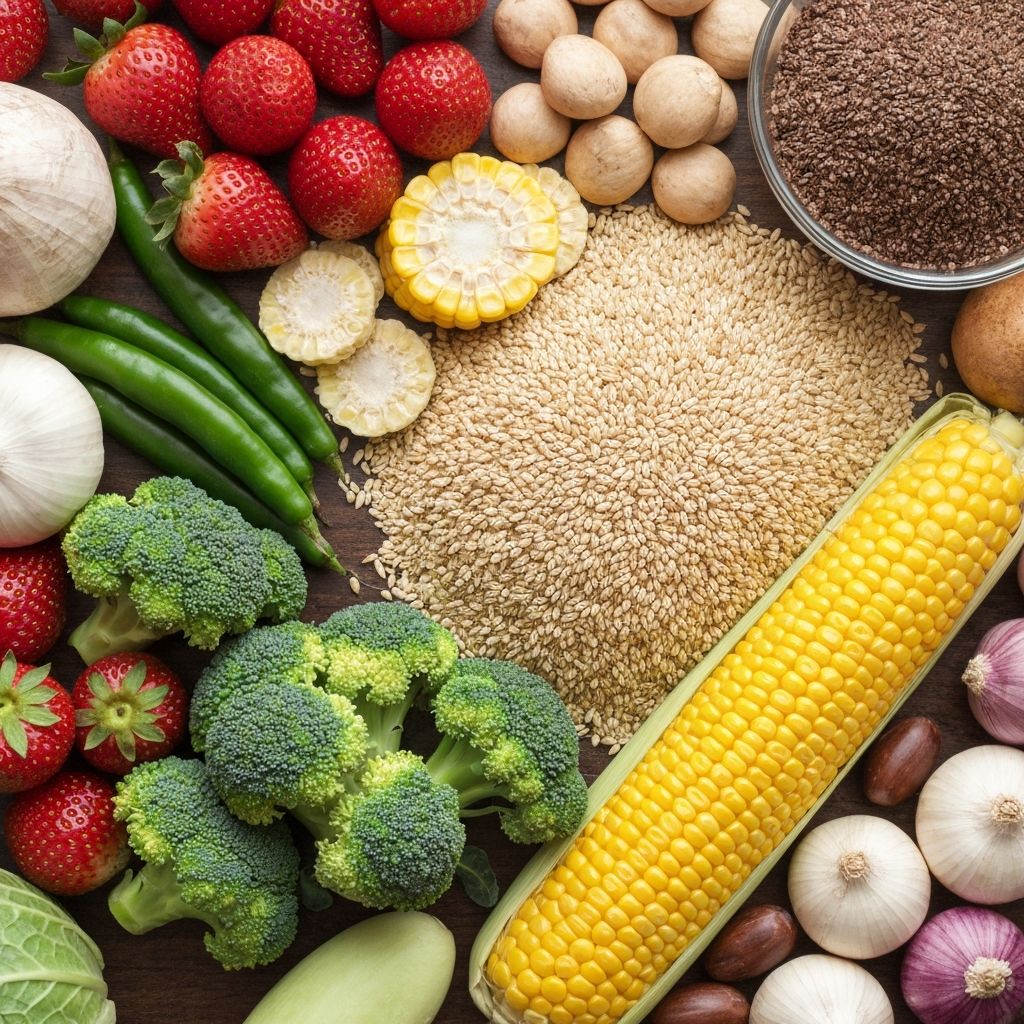
Essential Micronutrients And Whole Foods
Micronutrients—vitamins and minerals—are essential for virtually every physiological process. Despite being required in smaller quantities than macronutrients, their importance to health is profound. A diet rich in diverse, minimally processed whole foods provides the micronutrient spectrum necessary for optimal cellular function, immune support, energy metabolism, and disease prevention.
Vitamins: Diverse Functions
Vitamins are organic compounds that the body cannot synthesise in adequate quantities and therefore must obtain from food sources. They serve as coenzymes and cofactors in metabolic reactions, support immune function, act as antioxidants, and contribute to bone health, vision, and neurological function.
Fat-soluble vitamins (A, D, E, K) are stored in body fat and are better absorbed when consumed with dietary fats. Water-soluble vitamins (B vitamins, vitamin C) are not stored and must be consumed regularly. Deficiencies in specific vitamins can result in distinct disease states: vitamin C deficiency causes scurvy, vitamin D insufficiency impairs bone health and immune function, B vitamin deficiencies affect energy metabolism and neurological health.
Rather than supplementing individual vitamins, consuming a variety of plant and animal foods ensures micronutrient adequacy through food sources, which provide vitamins within complex food matrices alongside other beneficial compounds.
Minerals: Structural And Functional Roles
Minerals serve as structural components (calcium and phosphorus in bone), cofactors in enzymatic reactions (zinc, magnesium, iron), regulators of fluid balance and nerve conduction (sodium, potassium, chloride), and components of hormones (iodine in thyroid hormones, selenium in selenoproteins).
Key minerals include: iron (oxygen transport and energy metabolism), calcium (bone structure and muscle contraction), magnesium (muscle function and metabolic processes), zinc (immune function and protein synthesis), iodine (thyroid hormone production), and chromium (glucose metabolism). Mineral bioavailability varies depending on food source and the presence of absorption enhancers or inhibitors.
Whole foods provide minerals within complex matrices that often enhance absorption compared to isolated supplements. For example, the bioavailability of calcium from leafy greens varies but contributes substantially to overall calcium intake when consumed regularly.
Phytochemicals And Bioactive Compounds
Beyond vitamins and minerals, plant foods contain thousands of bioactive compounds: polyphenols, carotenoids, glucosinolates, and others. These compounds exhibit antioxidant and anti-inflammatory properties, support detoxification processes, and contribute to disease prevention. Colour diversity in plant foods reflects different phytochemical compositions, suggesting the value of consuming a rainbow of vegetables, fruits, legumes, and whole grains.
The regular consumption of diverse plant foods provides these compounds in naturally occurring proportions, supporting the body's defence systems and reducing chronic disease risk. Isolated supplements rarely replicate the benefit of whole food sources due to the complexity of food chemistry and synergistic effects.
Whole Foods Versus Processed Sources
Whole, minimally processed foods provide micronutrients within intact food matrices, alongside fibre, water, and other compounds that enhance satiety and support digestive health. Processing, particularly industrial processing, often removes micronutrient-rich components (such as bran and germ from refined grains) and adds sodium, sugar, and other ingredients while removing beneficial compounds.
Whole grain breads, legumes, nuts, seeds, vegetables, and fruits provide sustained micronutrient intake. While some fortified processed foods can contribute micronutrients, whole food sources offer broader micronutrient profiles and supporting compounds not present in fortified processed options.
Micronutrient Status And Individual Factors
Micronutrient requirements vary based on age, sex, activity level, health status, medication use, and individual absorption capacity. Vegetarians and vegans may require attention to specific micronutrients (vitamin B12, iron, zinc) that are more readily available in animal products. Older adults may have different absorption and requirement profiles. Individuals with specific health conditions may benefit from additional micronutrient consideration.
Periodic assessment of micronutrient status through blood work can identify specific deficiencies, but for most individuals consuming diverse, whole foods, micronutrient status is supported through dietary variety.
Educational Context
This article explains micronutrient functions and sources from a scientific perspective. Individual micronutrient needs vary based on personal circumstances and health status. While varied, whole food consumption generally supports adequate micronutrient intake, consultation with qualified healthcare professionals or registered dietitians can provide personalised guidance regarding individual micronutrient status and needs.